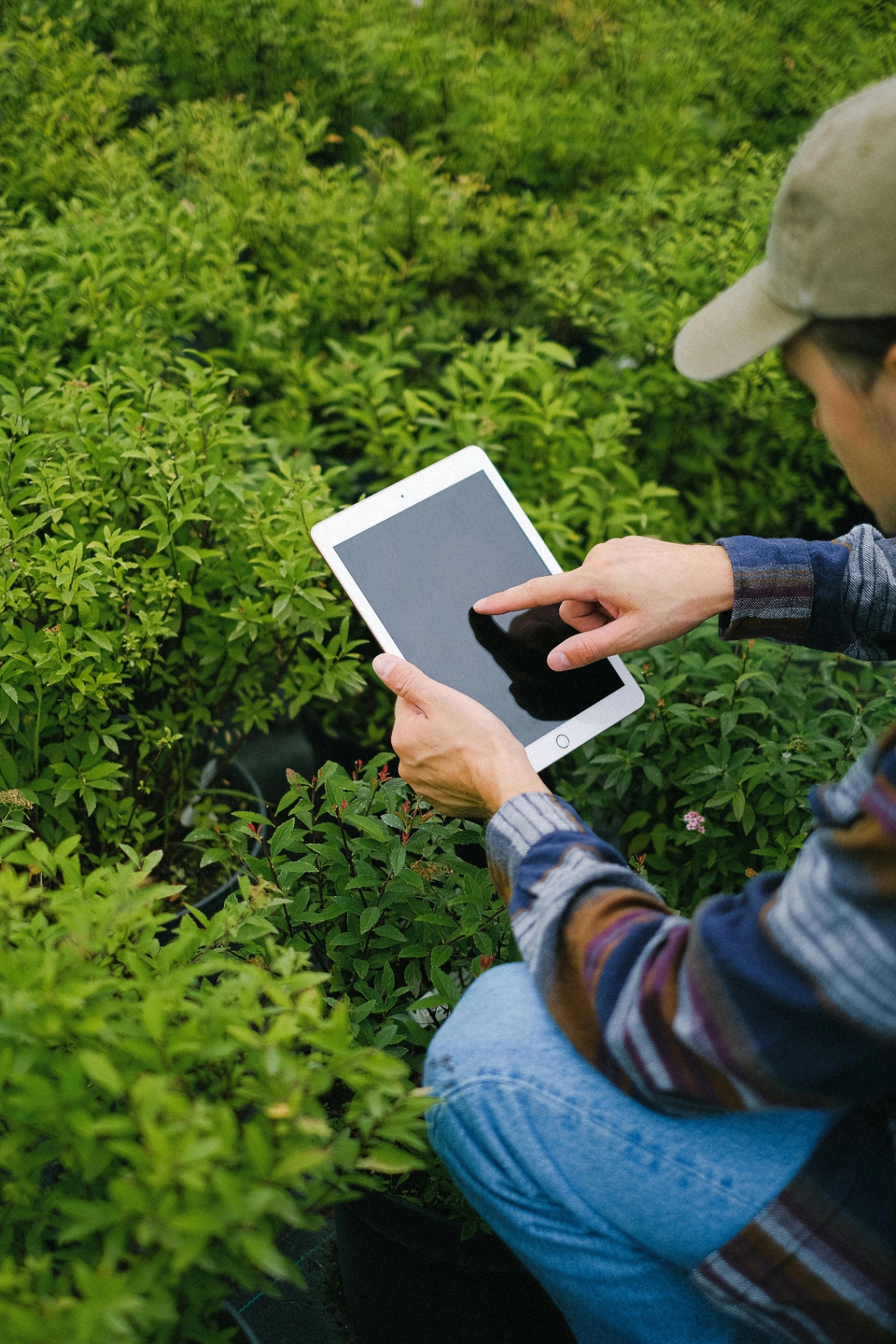
Information begins where work happens
A cooperative receives a spreadsheet covering hundreds of farms. Its rows contain names, areas, varieties and coordinates. At first glance, the file looks complete. But when planning technical assistance, a question arises: which records actually describe what is happening on each plot today? The answer informs nutrition, harvest estimates, staffing and access to markets.
Data onboarding can start with the organization's existing grower register. Historical records, laboratory reports and visit notes provide a foundation that need not be collected again from scratch. Growers and field teams can then expand that history through observations, measurements, photographs and work records on their phones. External sources, such as available weather data, can add context when the time and location are appropriate.
For data collection to be sustainable, forms must fit the work already being done: identify the plot, record relevant observations during visits and retain evidence for future reference. Not every field needs to be completed on every visit. What matters is knowing what was observed, by whom, when and using which method.
A coherent record must retain its meaning
Consider three common situations. A spreadsheet includes a totals row after the last grower; counting every row inflates the register. A coordinate identifies a reference point on a farm, but cannot establish its area. A harvest estimate in kilograms of coffee cherries cannot be compared directly with one in kilograms of dry parchment coffee.
These are interpretation problems, not simply formatting problems. Before incorporating records, it is worth identifying entities and duplicates, checking units and ranges, distinguishing missing data from zero values and retaining the original file. Changes in identity, area or location that cannot be resolved with available evidence should remain pending review.
The World Bank's agricultural survey design guide recommends linking information at parcel, plot and crop level and documents limitations of self-reported land area. For decisions that depend on area, how that measurement was obtained and what it represents matter.
Validation continues in the field
Suppose someone records a photograph of spotted leaves on a coffee plot. The image documents an observation, but cannot establish the cause of the symptom by itself. Relating it to variety, recorded applications, soil analysis and recent conditions helps the field team form a hypothesis and decide what to verify.
Three different states are worth distinguishing: reported information, documented observation or measurement, and reviewed interpretation. Each has a different value. An organization can check the consistency of a record without certifying its physical accuracy. When doubt remains, a field review or second measurement can reduce uncertainty. Corrections should retain a traceable history of changes.
Value emerges through reuse
A well-recorded visit can contribute to crop-health monitoring, work planning and interpretation of the next harvest estimate. If the plot contributes to a delivery, its history can also support origin verification. The aim is for each team to use relevant information without asking the farm to reconstruct the same history for every request.
At Nova Silva, we organize observations, activities, documents and estimates around farms, plots and their context. Validation mechanisms, change history and differentiated access help preserve data quality and control who can consult or share information. Agronomic decisions and verification of specific evidence remain the responsibility of the relevant people.
What to check before onboarding data
Identify whether each record describes a person, farm, plot or event. Document units, dates, sources and methods. Separate observations from estimates and identify missing information. Establish who may verify and correct each record. Finally, define how to measure process quality: duplicates, unresolved inconsistencies, observation coverage and the time required to retrieve useful evidence.
Knowledge accumulated in the field is a farm asset. When data retain their provenance and meaning, that knowledge can serve those managing the farm today and those who will make decisions tomorrow.
Learn how Nova Silva links field work with organizational decisions: https://www.novasilva.co/en/soluciones
The examples are illustrative. The proposed criteria represent Nova Silva's editorial approach, not field-trial results or certification.
Sources and methodology
- [1] World Bank, LSMS (2021). Agricultural Survey Design: Lessons from the LSMS-ISA and Beyond.
- [2] World Bank, LSMS. Agriculture: survey methods and land area measurement.
The proposed review procedure is Nova Silva's editorial guidance.