What happens between plot and lot.
Traceability, data and decisions that rarely fit in a spreadsheet.
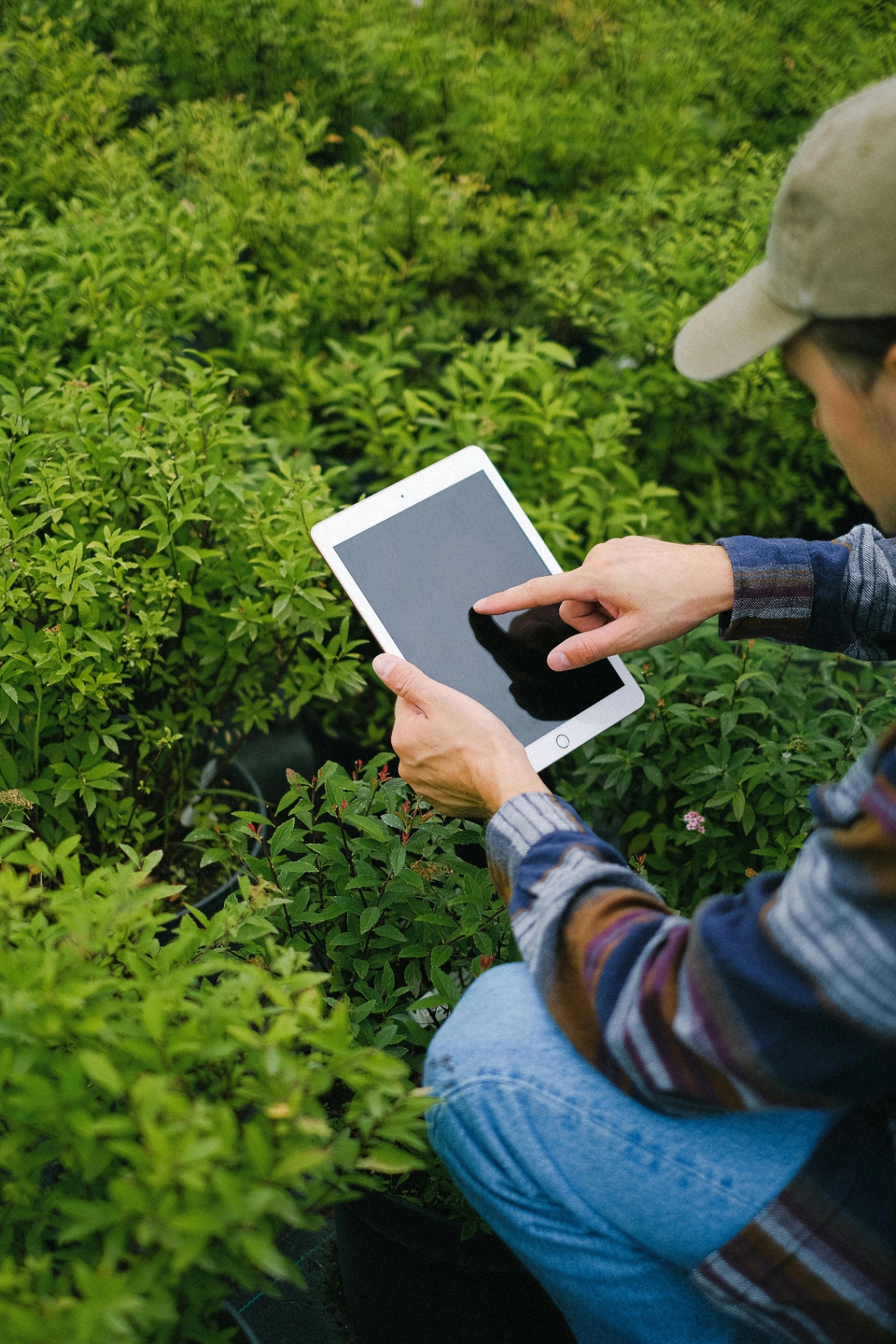
When can we trust agricultural data?
How to bring field information into a system, identify inconsistencies and build a verifiable farm record.
Read note ↗The coffee is in the warehouse. Why don’t the numbers add up?
At closing time on Friday, a mill’s records show 340 kilograms of dry parchment coffee should be on hand. The team weighs the coffee in the warehouse and finds 325. Before adjusting the inventory, it is worth finding out what happened to those 15 kilograms.
Read note ↗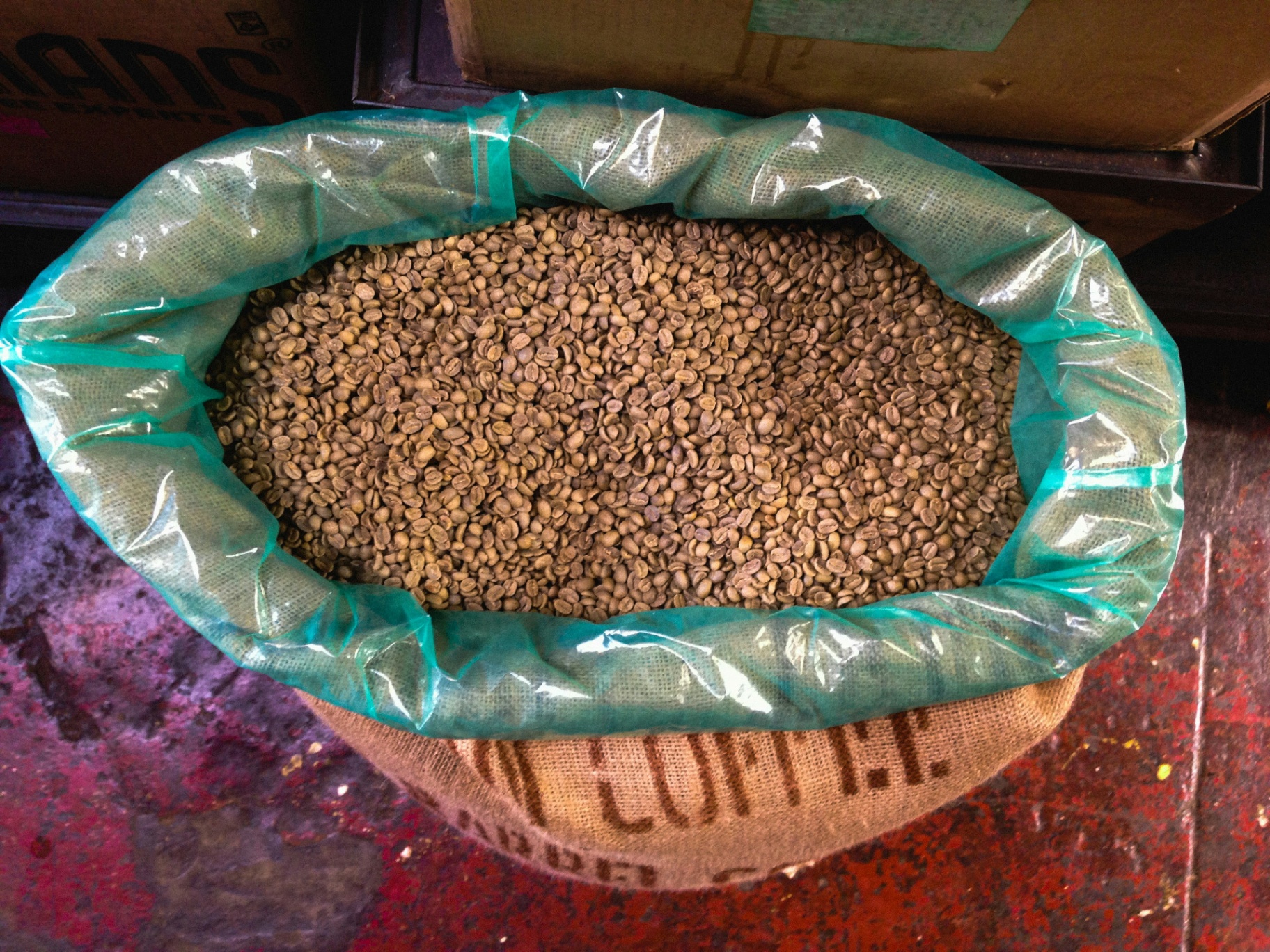
After blending coffee, what can you demonstrate about the lot?
Imagine a buyer asks you tomorrow to demonstrate which plots supplied a coffee lot. You have receipts, the producer registry and the cupping sheet. The question is whether those records let you reconstruct that specific lot. The answer is determined before the request arrives. It is determined when someone receives the coffee, decides which deliveries to combine and records where each one came from.
Read note ↗Which coffee plots to inspect first
Observations, nutrition history and production records help determine which plot needs attention first, within a farm or across supplying growers.
Read note ↗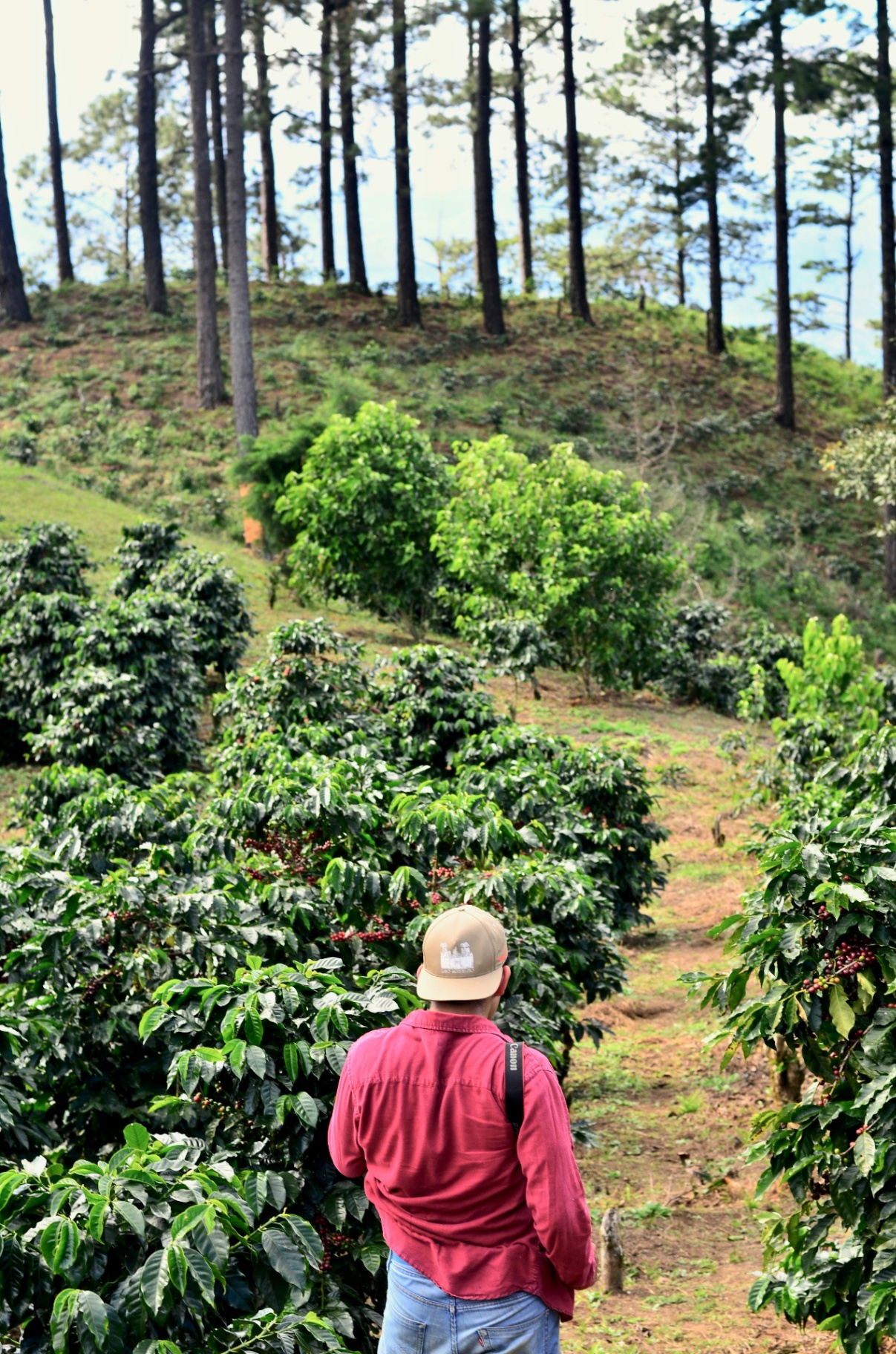
Shade-grown coffee: what to observe beneath the trees
Coffee, shade trees and other crops can share a single plot. Combining imagery with well-located field observations helps describe that system without overlooking what happens beneath the canopy.
Read note ↗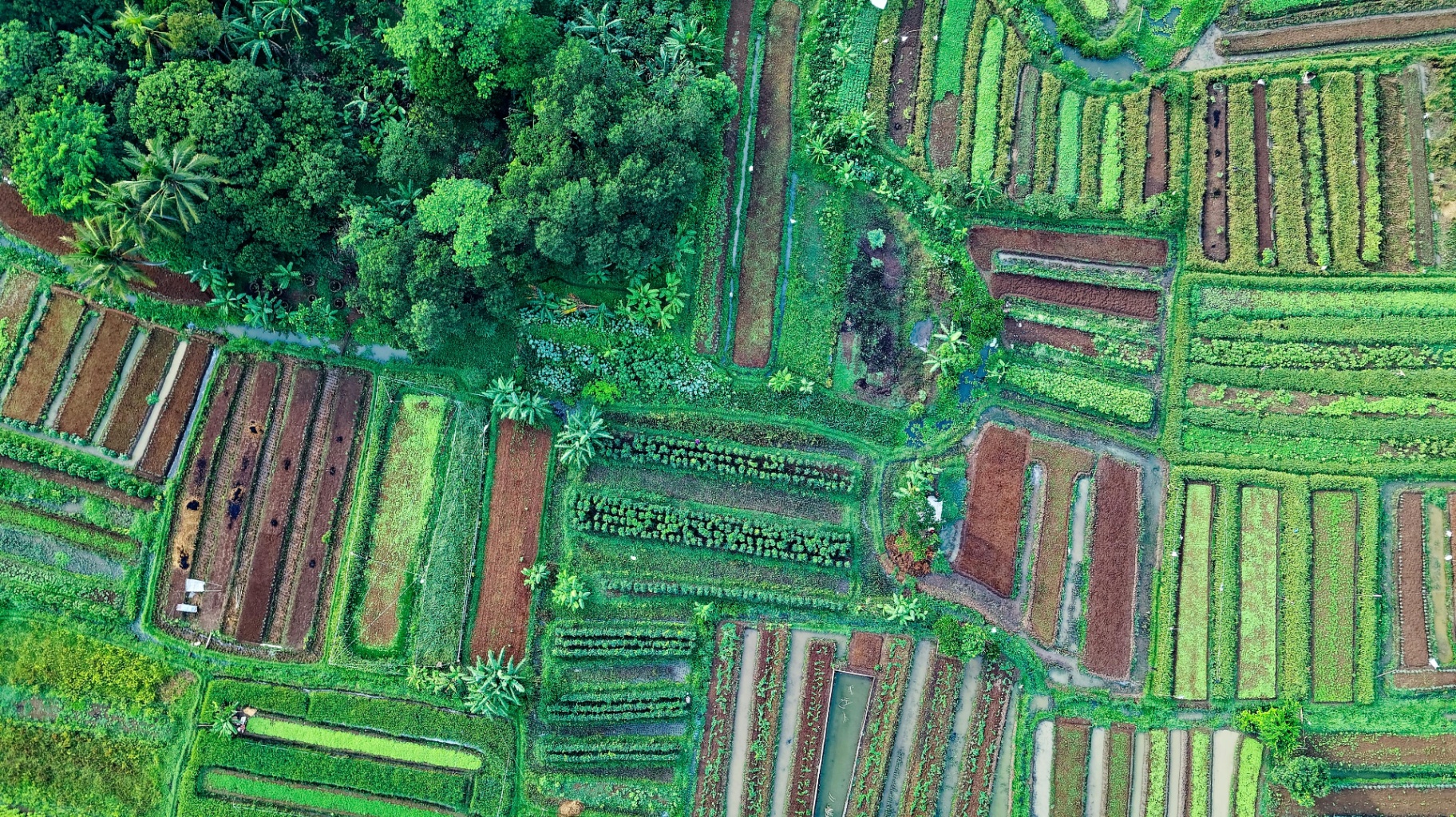
A satellite shows a signal. What does it take to interpret it?
A tree cover loss alert can guide a review, but a plot-level decision needs context. Scale, dates, land use and field evidence determine what a conclusion can support.
Read note ↗
A producer registry is not traceability
Names, phone numbers, coordinates and documents in a database do not show which plot a product came from or how it reached an export lot. Traceability begins when events are linked.
Read note ↗